


The Kane County Health Department (KCHD) reported the first two human cases of West Nile virus in Kane County for the 2026 mosquito season. Both individuals are Aurora residents and developed the more serious, neuroinvasive form of West Nile virus requiring hospitalization.


“These cases are a reminder that West Nile virus is present in our community and that mosquito bite prevention remains important throughout the remainder of the mosquito season,” said
Michael Isaacson, KCHD Executive Director. “While most people infected with West Nile virus do not develop symptoms, the virus can cause serious illness, particularly in older adults and people with weakened immune systems.”
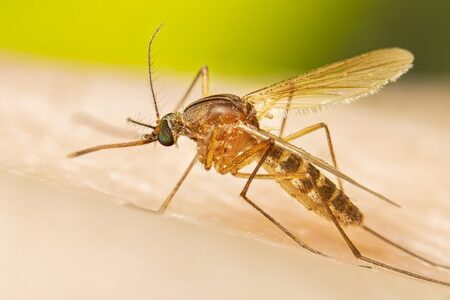
West Nile virus is most commonly spread to people through the bite of an infected Culex mosquito, commonly known as a house mosquito. Mosquitoes become infected when they feed on birds carrying the virus and can then transmit the virus to people and other animals.
KCHD conducts ongoing mosquito surveillance and works with local partners to monitor and reduce the risk of West Nile virus in the community. There were five human cases of West Nile virus in 2025 and four in 2024.

Most people infected with West Nile virus do not develop symptoms. About one in five people develop a fever and other symptoms such as headache, body aches, joint pain, vomiting, diarrhea or rash. A small number of people develop severe illness that can affect the brain and nervous system, including encephalitis or meningitis. Individuals age 60 and older and people with weakened immune systems are at greatest risk for severe disease.
For more information about West Nile virus, mosquito surveillance and prevention, visit the Kane County Health Department’s West Nile virus webpage.